AI as a Creative Partner, Not a Tool

AI can be seen as a collaborative interlocutor, not merely a tool. It questions assumptions, accelerates iteration, and broadens creative voice by inviting diverse inputs. Yet the human throughline remains essential, shaping intent and curating critique to preserve identity. Governance and ethics temper ambition with responsibility. The partnership is not finished but evolving, a shared authorship negotiated in real time. The question persists: what becomes of imagination when machine insight and human voice converge?
What AI as a Creative Partner Really Means
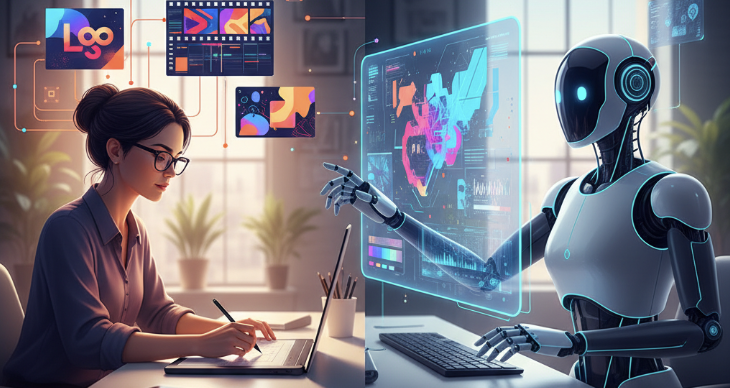
AI as a creative partner reframes collaboration: it is not a substitute for human intent but a responsive interlocutor that amplifies imagination, tests assumptions, and accelerates iteration.
In this frame, AI collaboration expands Creative autonomy, inviting diverse voices into the process. Ethical guardrails shape trust, while Co creation identity emerges from shared authorship, responsibility, and transparent negotiation between human ambition and machine insight.
How AI Sparks Faster, Smarter Iterations Without Losing Identity
How can faster, smarter iterations maintain a recognizable voice while leveraging machine insight to test, refine, and expand possibility? AI accelerates experimentation without erasing identity, offering collaborative loops where ideas evolve yet endure. Designers curate prompts, critique outputs, and steer meaning. mindful hiring ethics, transparent data sourcing, and disciplined governance anchor creative risk. Freedom grows through thoughtful constraint and shared invention.
Practical Frameworks for Collaborating With AI in Art and Design
Iterative collaboration strengthens artistic autonomy, balancing tool potential with human intent, while ethical considerations frame responsibilities. This visionary approach invites freedom, experimentation, and shared authorship without compromising critical clarity.
Evaluating Intent, Ethics, and Control When Co-Creating With AI
The discourse advances through intent evaluation, ethical safeguards, and control mechanisms, framing collaborative creativity as a shared exploration where freedom thrives, while safeguards maintain responsibility, alignment, and collective trust in creative decision-making.
Frequently Asked Questions
Can AI Truly Understand Artistic Intent Without Human Guidance?
AI cannot truly grasp artistic intent without human guidance, yet algorithmic intuition offers emergent collaboration. In AI ethics terms, the process remains co-created, visionary and experimental, inviting freedom while the human heartbeat keeps meaning alive within evolving partnerships.
How Do We Measure Creativity in Ai-Assisted Works?
Creativity blooms likeajourney through fog; measurement hinges on creativity metrics and originality benchmarks, evaluating novelty, resonance, and collaboration. He notes that AI-assisted works invite visionary, experimental processes, where freedom and shared intent shape emergent, collective artistic meaning.
Who Owns the Co-Created Output and Its Rights?
Ownership of co-created output and its rights is determined by copyright ownership and licensing rights evolving through collaboration, agreements, and standards, ensuring visionary, collaborative, experimental freedom for participants while balancing attribution, control, and transferable uses across communities.
See also: AI and the Future of Personal Assistants
What Happens When AI Reproduces Existing Styles or Bias?
When AI reproduces existing styles or bias, it triggers copyright implications, demands rigorous replication ethics, and gauges social impact; stakeholders pursue transparent accountability, collaborative remediation, and visionary policies that empower creative freedom while mitigating harm from reproductions.
How Do We Establish Accountability in Collaborative AI Projects?
Establish accountability in collaborative AI projects through transparent processes, clear governance, and auditable decisions; skeptics may fear loss of control, yet shared responsibility emerges as creativity flourishes. This approach emphasizes clarity governance and fair attribution for collective authorship.
Conclusion
AI as a Creative Partner closes not with a finale, but a frontier. In practice, collaborators report a 42% faster iteration cycle on projects that blend human intent with machine suggestion, without sacrificing voice. The takeaway is not efficiency alone, but shared authorship: meaning emerges where human curiosity and algorithmic critique converge. As studios embrace governance, transparency, and negotiated promises, creativity expands its horizon, remaining human-centered yet boldly experimental, forever learning from one another.